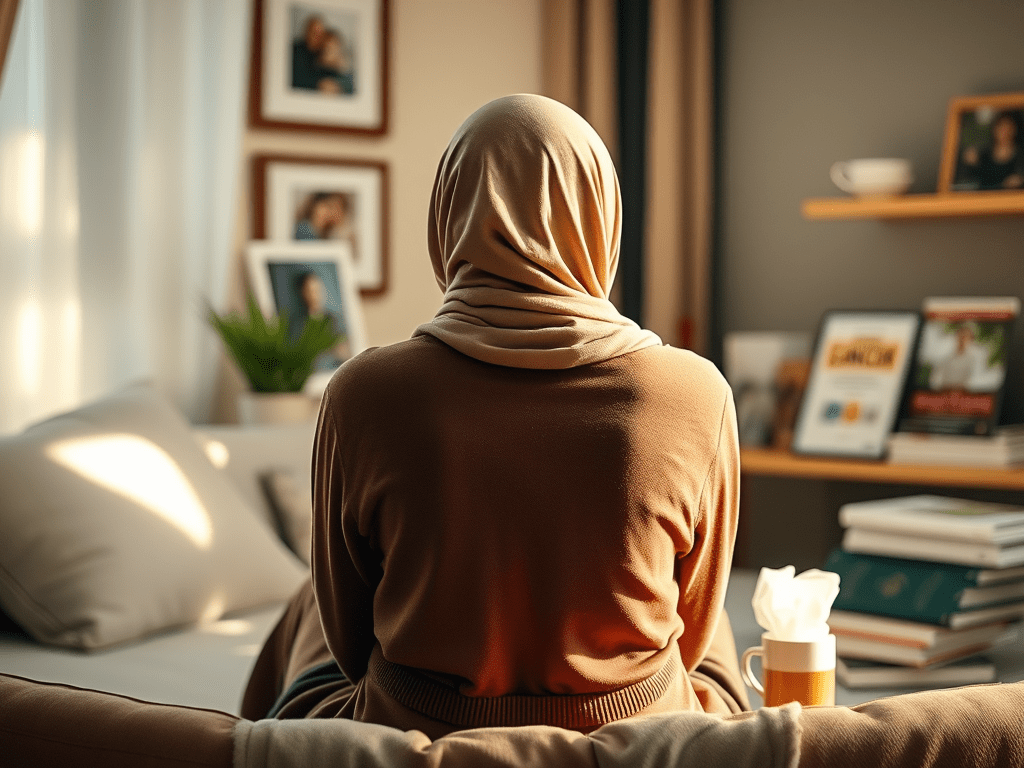
When I was first diagnosed, I was overwhelmed, scared, angry, and uncertain. I felt like my body had betrayed me. I knew that regaining control meant taking action, so here’s what I did in those early days…
Took a Breath and Let Myself Cry: When you first receive the diagnosis, there’s a sense of disbelief and shock. I gave myself permission to cry and feel the weight of it all. It was important for me to pause and let my emotions out. You don’t need to be “strong” all the time—sometimes, releasing those tears is the first step toward clarity. Once I allowed myself to feel the weight of my diagnosis the next thing I had to do was face my loved ones.
Told My Friends and Family: Sharing the news was incredibly hard, especially with my parents. I was anxious about their reaction, and yes, unsolicited advice came pouring in, but I learned to appreciate that it came from a place of love. My advice: lean on your loved ones but also be selective about who you invite into this journey. Surround yourself with those who respect your emotional needs and who understand your boundaries.
Found a Support Group: Reaching out to a support group was a lifeline. Connecting with others who were walking a similar path helped me feel less alone. Even if you don’t have a large circle, there’s a world of support out there. A quick Google or Facebook search can help you find in person or online communities. I connected with a local breast cancer support group and as well as a virtual support group for Muslim women. I had times when I isolated myself, and it only deepened my anxiety. Those are the moments when you need connection the most, even if it feels tough to reach out.
Started Researching: I knew that knowledge would help me take control. There’s so much information out there that can be overwhelming. I focused on trusted sources like the Canadian Cancer Society and the American Cancer Society. As a pharmacist, I approached research with caution—knowing that not all information is reliable. I also found online discussions, like those on Reddit, helpful at times, but also anxiety-provoking. It’s important to remember that everyone’s experience is unique, and others’ stories may not always apply to yours.
Made an Appointment with My Family Doctor: After accessing my test results, I felt the urgency to talk to my doctor. Seeing her sooner would have eased my anxiety, as waiting to speak with her was excruciating. Don’t wait too long to connect with your doctor. The sooner you see your doctor the sooner you can start figuring out your next steps. You will likely be in a state of shock, want to pause and take a moment to absorb what’s happened. However, taking charge of your health, especially when you feel a loss of control, will help reduce uncertainty and empower you.
Built My Healthcare Team: Choosing the right doctors and specialists is crucial. I met with two surgeons to understand their approaches, and I chose the one I felt most comfortable with. I also assembled a team of healthcare professionals who supported my healing journey. This team included a psychotherapist, naturopath, physiotherapist, dietitian, and massage therapist. I asked for recommendations from others and made sure everyone on my team had experience with breast cancer.
Looking Back: The early days were the toughest, with so many unknowns. But by taking action—small steps, one after the other—I began to feel empowered. If you’re walking this path, I’d love to hear how you managed the initial period post-diagnosis. Please share your story or drop me a message 💖

 Finding Light in Life's Darkest Moments
Leave a comment